- Call Us: +90 (532) 266 27 16
- Opening Hours: Sunday - Friday, 09:00 - 21:00

Microblading for Oily Skin: Longevity and Pigment Selection
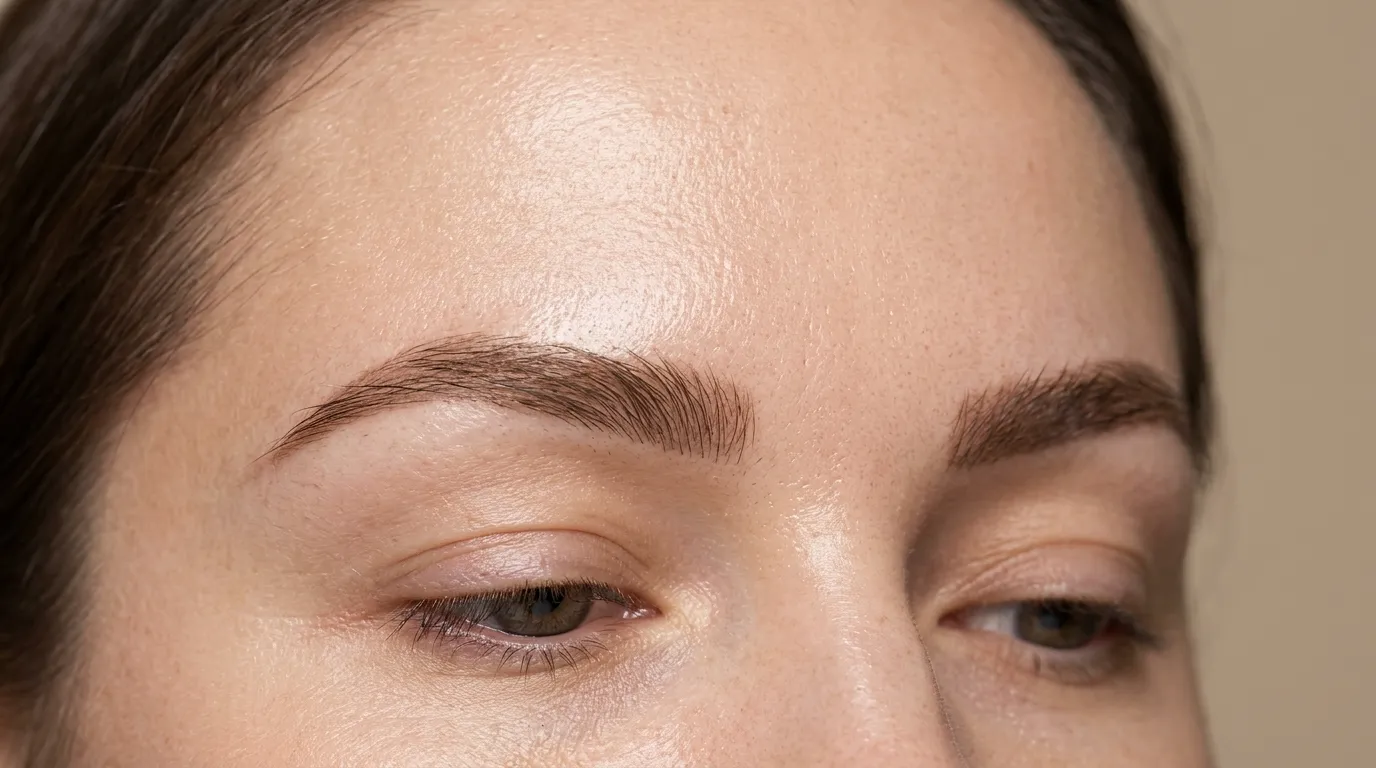
Does microblading work on oily skin? Yes, microblading can be performed on some oily and combination skin types. However, very oily skin may present challenges with pigment retention and the appearance of fine, hair-like strokes after healing.
Microblading results depend on more than skin oiliness. Pore visibility, natural brow density, pigment formulation, application technique and the healing process can all influence the final appearance.
For oily skin, the main consideration is not simply choosing a darker pigment. It is understanding how individual hair strokes may heal, how their definition may change and whether another brow technique could provide a more suitable result.
Does Microblading Work on Oily Skin?
Microblading is a semi-permanent cosmetic tattooing technique that creates fine, hair-like strokes in the eyebrow area using pigment.
On oily skin, the strokes may initially look sharp and well defined. However, their appearance can soften as the skin heals and the pigment gradually fades.
People with very oily skin or visibly enlarged pores may experience:
Less defined hair strokes after healing
Uneven pigment retention
Gradual loss of separation between individual strokes
Earlier fading or a greater need for touch-ups
Oily skin does not automatically mean microblading will fail. Mildly oily or combination skin should not be treated as identical to very oily skin.
An individual assessment is important before selecting the technique.
Why Can Microblading Fade Faster on Oily Skin?
Pigment retention is influenced by several factors, including skin characteristics, application technique and healing.
Very oily skin can make fine microblading strokes more difficult to maintain with the same level of definition over time.
However, sebum production alone does not explain every case of early fading. Pigment properties, application depth, ultraviolet exposure and skincare routines may also contribute.
Skin Texture, Pores and Hair-Stroke Definition
The natural appearance of microblading depends partly on keeping the individual pigment strokes visually distinct.
On very oily skin with prominent pores, healed strokes may look softer or less sharply separated.
This can be particularly noticeable in eyebrow designs that rely on extremely fine, closely spaced strokes.
The result may differ from the crisp appearance seen immediately after the procedure.
Skincare Products and Sun Exposure
Certain skincare habits may influence the long-term appearance of cosmetic tattoo pigment.
Products containing retinoids or exfoliating acids, as well as frequent intensive exfoliation, may affect the skin around the treated area.
Sun exposure can also contribute to pigment fading and colour changes over time.
Before microblading, clients should tell their practitioner about active skincare products and any existing skin treatments.
Products should not be stopped or restarted without considering the practitioner's instructions and, where relevant, medical advice.
How Long Does Microblading Last on Oily Skin?
There is no guaranteed longevity period for microblading on oily skin.
Some clients retain visible pigment for an extended period, while others experience earlier fading or reduced stroke definition.
The healed appearance and maintenance needs depend on several factors.
The eyebrows often look darker immediately after treatment than they do once healing is complete.
For this reason, the first-day appearance should not be used to judge the final colour or longevity.
Touch-up requirements should be assessed after the skin has healed rather than based on a fixed schedule alone.
How Is Microblading Pigment Selected for Oily Skin?
A common misconception is that oily skin requires a specific pigment colour or an automatically darker shade.
In reality, pigment colour and application technique are separate decisions.
There is no single pigment shade that works best for everyone with oily skin.
The practitioner should consider natural eyebrow colour, hair colour, skin undertone, the desired appearance and any existing cosmetic tattoo pigment.
Pigment Colour and Skin Undertone
Pigment selection should aim for a colour that works with the client's natural features.
A very dark shade does not guarantee longer-lasting results on oily skin.
Similarly, the same brown pigment may heal differently across different skin tones and previous pigment backgrounds.
Pigment formulation and possible colour changes over time should also be considered.
Does Darker Pigment Last Longer on Oily Skin?
Choosing a darker pigment does not necessarily improve retention.
It may simply create an unnecessarily strong initial appearance.
Because freshly treated eyebrows can look darker before healing, selecting pigment based only on the first-day result can be misleading.
The priority should be a suitable colour and realistic expectations about how it may heal.
Microblading vs Powder Brows: Which Is Better for Oily Skin?
For very oily skin, changing the pigment shade may not resolve concerns about hair-stroke definition.
A different eyebrow technique may be worth considering.
Microblading and powder brows create different visual effects.
Why Might Powder Brows Be an Alternative?
Powder brows is a cosmetic tattoo technique that creates a shaded appearance rather than relying primarily on separate hair-like strokes.
Because individual microblading strokes may become less defined on very oily skin, shading techniques can be a useful alternative for some clients.
However, powder brows is not guaranteed to last longer on every oily skin type.
The result still depends on technique, skin characteristics, pigment and healing.
Who Might Consider Combo Brows?
Combo brows combines hair-stroke techniques with shading.
It may be considered when the desired result includes a softer hair-like effect in some areas and greater visual fullness elsewhere.
However, the hair-stroke portions may still lose definition on very oily skin.
The most suitable method should be determined after evaluating the skin and existing eyebrow structure.
Service availability note: Microblading, powder brows and combo brows are distinct techniques. The availability of powder or combination techniques at Luxus Hair Group should be confirmed before booking.
Microblading Aftercare for Oily Skin
Aftercare is particularly important while the treated skin is healing.
However, having oily skin does not mean the eyebrows should be washed excessively, dried aggressively or treated with stronger skincare products.
Doing so may irritate the area and interfere with normal healing.
During the recovery period:
Avoid picking or removing scabs.
Do not rub or scratch the eyebrows.
Avoid applying retinoids or exfoliating acids to the treated area unless specifically advised.
Follow the practitioner's cleansing and aftercare instructions.
Seek medical assessment if increasing pain, spreading redness, discharge or other signs of infection develop.
Using more aftercare products does not necessarily improve pigment retention.
The appropriate routine depends on the procedure and products used.
For a more detailed explanation of the healing process, read our Microblading Aftercare Guide.
Does Microblading on Oily Skin Need More Touch-Ups?
Oily skin may be associated with earlier fading or softer hair-stroke definition, which can increase maintenance needs in some cases.
However, not every client with oily skin needs more frequent touch-ups.
The practitioner should evaluate the healed pigment, brow shape and existing colour before deciding whether an additional session is appropriate.
Applying more pigment to an area that already contains significant pigment is not always the best solution.
Repeated treatment without assessing the existing result may lead to unwanted density or a less natural appearance.
What Should You Tell Your Practitioner Before Microblading?
A consultation helps determine whether microblading is appropriate for your skin and expectations.
Before treatment, mention:
Significant oiliness around the forehead and eyebrows
Active acne, dermatitis or skin irritation
Retinoids, exfoliating acids and other active skincare products
Previous microblading or permanent makeup
Known allergies to cosmetic tattoo products
Relevant medication or ongoing skin treatments
Cosmetic tattooing should be postponed when the are