- Call Us: +90 (532) 266 27 16
- Opening Hours: Sunday - Friday, 09:00 - 21:00

How to Choose Eyelash Extension Styles for Your Eye Shape
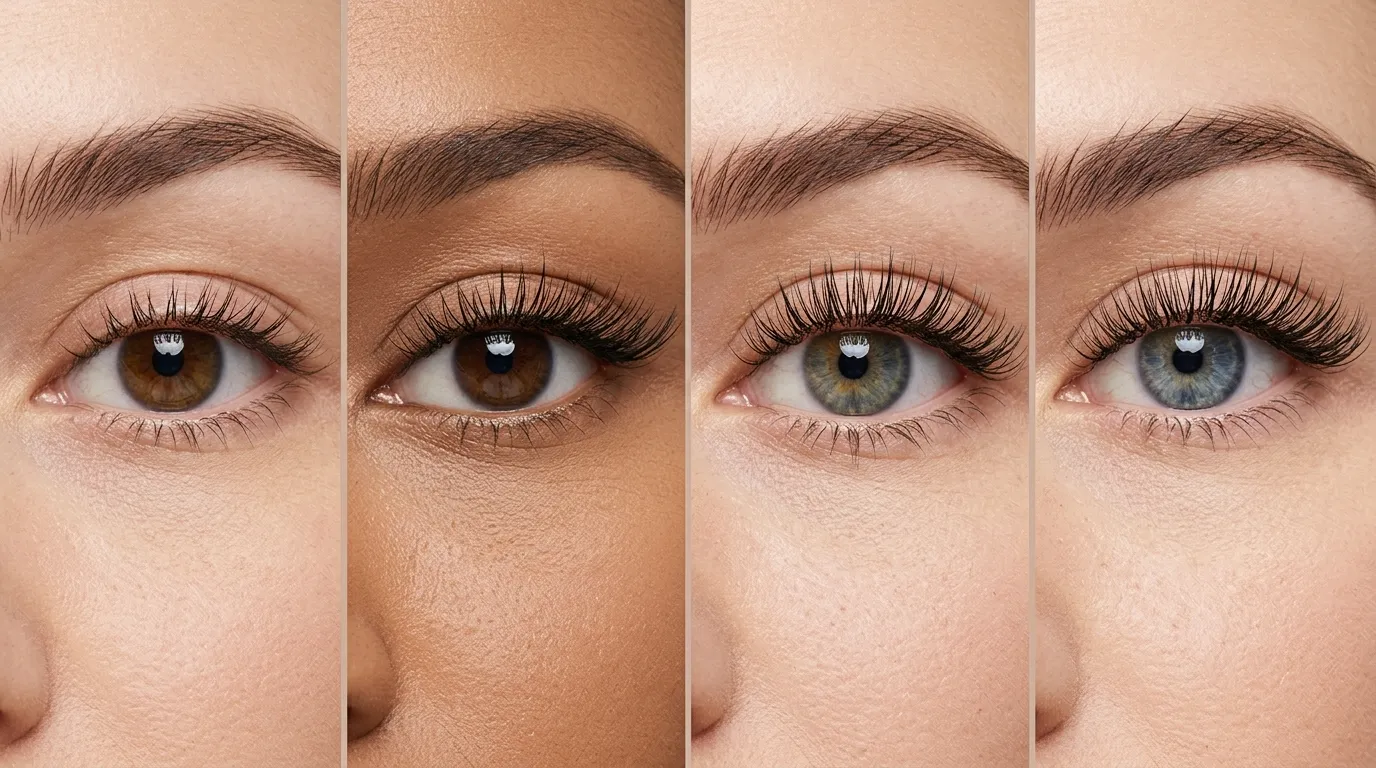
Choosing the right eyelash extension style is not only about length or volume. Eye shape, eyelid structure, the direction of the outer corners and the distance between the eyes can all affect how a lash design looks.
The same lash map can create very different results on different eyes. A style that elongates one eye may make another eye look more downturned or heavy.
For this reason, choosing between styles such as cat eye, doll eye, squirrel or a more natural lash map should be based on the individual eye shape rather than the name of the style alone.
What Should Be Considered When Choosing a Lash Style?
A lash design can be planned according to:
Eye shape
Direction of the outer corner
Distance between the eyes
Natural lash length
Natural lash strength
Desired volume
Curl type
Everyday makeup preferences
The condition of the natural lashes is especially important.
Wanting longer or fuller lashes does not mean that more weight should automatically be added. The chosen length, curl and density should remain appropriate for what the natural lashes can comfortably support.
What Is Lash Mapping?
Lash mapping is the plan used to decide how different lash lengths are distributed across the eye.
The longest extensions may be placed:
Toward the outer corner
Around the centre of the eye
Slightly before the outer corner
Small changes in placement can change the overall effect.
This is why terms such as cat eye or doll eye refer not only to a style name, but also to where the longest lashes are positioned.
Which Lash Styles Can Suit Almond Eyes?
Almond eyes tend to work with a wide range of lash maps because the natural eye shape is already relatively balanced.
Possible options include:
Natural lash maps
Cat eye
Squirrel
Soft doll eye
Classic or volume application
For a more elongated look, length can gradually increase toward the outer area.
For a more open-eye effect, the longest lashes can be placed closer to the centre of the eye.
The best choice depends on the result the client wants rather than one fixed rule.
Which Lash Styles Can Suit Round Eyes?
Round eyes usually have a more noticeable vertical opening.
For clients who want a more elongated appearance, the lash length can be increased gradually toward the outer section.
Possible options include:
Soft cat eye
Squirrel
Natural elongated maps
However, the longest lashes do not always need to sit directly at the outer corner.
If the outer corner naturally points downward, placing too much length at the very end can make the eye appear even more downturned.
In this case, the maximum length may be positioned slightly before the outer corner.
Which Lash Styles Can Suit Downturned Eyes?
With downturned eyes, the outer corner appears lower than the inner corner.
A very heavy or long cat eye may emphasise this direction.
A more balanced approach may include:
Placing the longest lashes slightly before the outer corner
Shortening the final outer lashes
Using a stronger curl where appropriate
Choosing a squirrel-style map
The goal is not to completely change the natural eye shape, but to create a lash direction that works more harmoniously with it.
Which Lash Styles Can Suit Upturned Eyes?
Upturned eyes already have an outer corner that rises slightly.
Cat-eye maps can work well if the client wants to emphasise this shape.
If a softer result is preferred, natural or squirrel-style maps can create elongation without making the outer corner too dramatic.
The final choice depends on whether the client wants to enhance the existing shape or create a more neutral appearance.
How Should Eyelash Extensions Be Planned for Hooded Eyes?
With hooded eyes, part of the mobile eyelid is less visible under the upper lid.
Simply using longer lashes does not always make the eyes appear more open.
Curl choice becomes especially important.
The application may need to consider:
Preventing the lashes from disappearing under the lid
Avoiding excessive length that touches the eyelid
Creating openness through the centre of the eye
Keeping the extension weight suitable for the natural lashes
Customised doll-eye or open-eye maps may be considered for some hooded eye shapes.
Which Lash Styles Can Suit Close-Set Eyes?
When the eyes appear closer together, the lash design can direct more visual attention toward the outer areas.
This may include:
Shorter inner-corner lashes
Gradual length increase from the centre outward
More emphasis through the outer half
Soft cat-eye or naturally elongated designs may work well.
However, the direction of the outer eye corner should still be considered before choosing a strongly elongated map.
Which Lash Styles Can Suit Wide-Set Eyes?
When the distance between the eyes appears wider, concentrating all the length at the outer corners can make that distance look even more noticeable.
In this case, centre-focused designs may be considered.
Examples include:
Doll eye
Open eye
Natural centre-focused mapping
Keeping some visual emphasis through the middle of the lash line can help create a more balanced appearance.
What Is the Difference Between Cat Eye, Doll Eye and Squirrel Lash Maps?
The main difference is where the longest lashes are placed.
These are general design principles.
In a professional application, the map should be adjusted to the individual eye rather than repeated in exactly the same way for every client.
Does Lash Curl Matter as Much as Eye Shape?
Yes.
The same length can look completely different depending on the curl.
Curl selection may be influenced by:
Natural lash direction
Eyelid structure
Desired effect
Extension length
For example, lashes that naturally point downward may benefit from a more noticeable curl if the goal is a more open appearance.
However, more curl is not automatically better. The overall design should remain balanced.
Classic or Volume Lashes: Which Is Better?
Lash mapping and lash technique are two different decisions.
In classic applications, one extension is generally applied to one natural lash.
In volume applications, small fans made from finer lashes are used to create a fuller appearance.
This means the same cat-eye or doll-eye map can be created in a lighter classic look or a fuller volume look.
The technique should be selected according to:
Natural lash strength
Desired density
Daily makeup style
Eye shape
Are Longer Lashes Always Better?
No.
More length does not automatically create a better result.
Extensions that are too long or too heavy can:
Overpower the eye shape
Make the design look unbalanced
Place unnecessary weight on the natural lashes
At Luxus Hair Group, extension length, curl and density are planned according to the eye shape and what the natural lashes can comfortably support.
The lash map and the weight of the material should therefore be considered together.
When May Eyelash Extensions Not Be Suitable?
The eye area and natural lashes should be checked before application.
The service may need to be postponed in cases such as:
Active eye infection
Stye
Eyelid wound
Significant irritation
Known adhesive allergy
Very weak natural lashes
Recent eye surgery
Severe eye sensitivity
Ongoing eye problems should be assessed appropriately before a cosmetic lash service.
Eyelash extensions are a cosmetic treatment and do not treat eye or eyelid conditions.
Eyelash Extensions at Luxus Hair Group
At Luxus Hair Group, Eyelash Extensions are planned according to more than just desired length or volume.
Eye shape, natural lash condition, extension length, curl and density are considered together.
Classic, silk-style or volume applications can be selected according to the desired result and the amount of weight the natural lashes can safely support.
Appointments are available at the Luxus Hair Group salons in Galata and Karaköy.
LUXUS Galata
Müeyyetzade, Galip Dede Cd. No: 97B
34425 Beyoğlu, Istanbul
LUXUS Karaköy
Arap Cami, Tersane Cd. No: 2
34421 Beyoğlu, Istanbul
Frequently Asked Questions About Lash Styles for Different Eye Shapes
What lash style suits almond eyes?
Almond eyes can work with several lash maps, including natural, cat eye, squirrel and soft doll-eye designs. The best option depends on the desired effect.
Can round eyes have cat-eye lashes?
Yes. A controlled increase in length toward the outer area can create a more elongated appearance, but the direction of the outer corner should also be considered.
Are cat-eye lashes suitable for downturned eyes?
Not always. Very long outer-corner lashes may emphasise a downturned shape. Squirrel maps or designs that reach maximum length slightly before the outer corner may be more balanced.
What lash style can work for hooded eyes?
Open-eye or customised doll-eye designs may be considered, together with an appropriate curl that remains visible around the eyelid.
What is the difference between cat eye and doll eye lashes?
Cat-eye maps increase length toward the outer section, while doll-eye or open-eye maps place more emphasis around the centre of the eye.
Should eyelash extensions be chosen only according to eye shape?
No. Natural lash strength, growth direction, desired density, curl and eyelid structure should also be considered.