- Call Us: +90 (532) 266 27 16
- Opening Hours: Sunday - Friday, 09:00 - 21:00

Microblading Aftercare, Healing and Longevity Guide
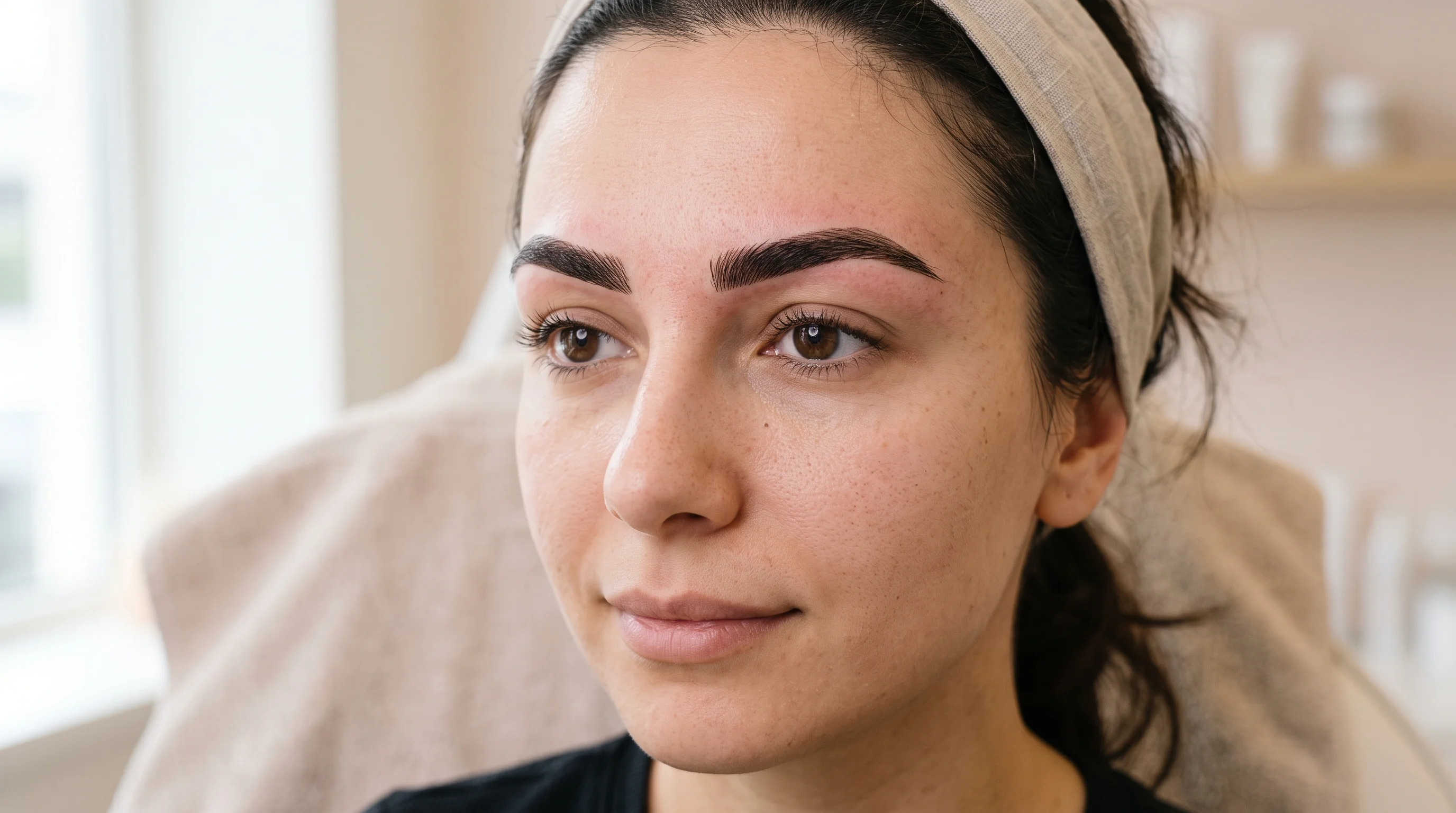
Microblading aftercare plays an important role in how the brow area heals and how evenly the pigment settles. During the first few days, the brows may look darker and more defined than expected, while mild redness, tightness or dryness can also occur.
The most important part of the healing period is to avoid unnecessary irritation. Do not rub the brows, pick at flaking skin or change the aftercare routine based on conflicting advice found online.
Because pigments, techniques and aftercare systems can vary, the instructions given by the professional who performed the treatment should take priority.
What Happens During the First Days After Microblading?
Immediately after microblading, the pigment usually looks stronger and the brow shape more defined than the final healed result.
During the early healing stage, you may notice:
mild redness
sensitivity
tight or dry skin
darker-looking pigment
light flaking as the area heals
The colour generally softens as the skin recovers.
For this reason, the appearance immediately after the appointment should not be treated as the final colour or intensity.
How Should You Care for Your Brows After Microblading?
Microblading aftercare should focus on protecting the brow area from friction, unnecessary moisture and irritation.
General precautions may include:
avoiding rubbing or scratching the brows
allowing flakes or light scabbing to separate naturally
not applying unapproved cosmetic products to the area
following instructions regarding steam and sauna
limiting activities that cause heavy sweating during the early healing stage
following the recommended sun-protection advice
If an aftercare product is recommended, the amount and frequency should follow the instructions provided after the treatment.
Using more product does not necessarily improve the healing process.
Is Flaking or Scabbing Normal After Microblading?
Mild dryness and light flaking can occur while the skin is healing.
The important point is to avoid picking or removing the flakes manually. Pulling at the healing skin or rubbing the brow area may interfere with the recovery process and can contribute to uneven-looking pigment.
The area should be allowed to heal naturally.
Significant swelling, increasing pain, discharge or redness that continues to worsen should not be managed only with cosmetic aftercare. Appropriate medical advice should be sought if unusual symptoms develop.
Why Do Microbladed Brows Look So Dark at First?
Fresh microblading usually appears darker and sharper before the skin has healed.
The appearance may change through several stages:
The pigment initially looks strong and defined.
Dryness or light flaking may develop.
The colour can temporarily appear lighter.
As healing progresses, the pigment becomes more settled and balanced.
How the final colour develops depends on factors such as skin type, pigment shade, technique and individual healing.
This is why the result should not be judged during the first few days.
Can Microblading Get Wet?
Water-related aftercare can vary depending on the technique, pigment and aftercare protocol used.
There is no single rule such as “never get the brows wet for exactly X hours” that applies to every microblading treatment.
The specific instructions given after the procedure should therefore be followed.
During the early healing period, prolonged soaking, steam rooms, saunas and heavy sweating may need to be limited. When cleansing the face, the brow area should also be treated gently and not scrubbed.
Can You Wear Makeup After Microblading?
Makeup may need to be avoided directly over the treated brow area while the skin is healing.
Foundation, brow products and other cosmetics can come into contact with skin that is still recovering from the treatment.
If makeup is worn elsewhere on the face, care should be taken to keep products away from the brows.
The right time to begin using brow makeup again depends on the healing progress and the aftercare protocol provided after treatment.
What About Exercise, Sauna and Steam?
Activities that create heavy sweating, heat or prolonged moisture may need to be limited during the early healing stage.
These can include:
intense workouts
sauna
steam rooms
very hot showers
long periods in hot and humid environments
Rather than following a universal number of days, follow the timeline given for the specific microblading system used.
Why Is Sun Protection Important After Microblading?
Sun exposure can affect the appearance of pigment over time.
During healing, the brow area should be protected from strong sun exposure according to the aftercare instructions provided.
Once the area has healed, consistent sun protection may help preserve the appearance of the pigment for longer.
The timing of when sunscreen can be applied directly to freshly treated skin should follow the instructions given after the procedure.
How Long Does Microblading Last?
Microblading is a semi-permanent treatment. The pigment gradually fades as the skin renews and is exposed to environmental and lifestyle factors.
Longevity can be influenced by:
skin type
oil production
sun exposure
skin renewal rate
skincare products
exfoliating treatments
pigment shade
aftercare habits
On oilier skin, the hair-stroke effect may soften sooner or fade more quickly.
Because these factors vary from person to person, a single exact duration should not be promised for every client.
When Is a Microblading Touch-Up Needed?
After the first treatment has healed, some areas may appear lighter or certain strokes may retain pigment differently.
Whether a touch-up is needed depends on:
how the skin retains pigment
the healing process
the appearance of the healed result
the desired level of definition
A touch-up decision should not be made immediately after the initial treatment. The brows need time to heal before the settled result can be assessed properly.
What Should You Avoid After Microblading?
During the healing period, avoid:
picking at flakes or scabs
rubbing the brow area
applying unknown or unapproved products
attempting to correct the pigment at home
strong exfoliation around the treated area
prolonged steam or moisture exposure
replacing professional aftercare instructions with conflicting online advice
The aim is not to use as many aftercare products as possible. It is to allow the treated area to heal with minimal unnecessary irritation.
Microblading Aftercare and Follow-Up in Istanbul
The final appearance of microblading depends not only on the initial technique but also on how the brows heal afterwards.
At Luxus Hair Group’s Galata and Karaköy salons, microblading is performed by professionals with PhiAcademy microblading training and certification. Aftercare is explained according to the pigment system, application method and individual skin characteristics.
Once healing is complete, the pigment can be reassessed to determine whether a touch-up is needed.
If previous microblading or another form of permanent brow makeup is already present, the existing pigment should also be evaluated before planning further treatment.
Frequently Asked Questions About Microblading Aftercare
Is it normal for microblading to look dark at first?
Yes. Fresh pigment often appears darker and more defined before the skin has completed the healing process.
Should I pick the flakes after microblading?
No. Flaking or light scabbing should be allowed to separate naturally rather than being pulled away.
Can I exercise after microblading?
Heavy sweating may need to be limited during the early healing stage. Follow the specific timeline provided after your treatment.
How long does microblading last?
Microblading fades gradually, and longevity varies according to skin type, sun exposure, skincare, pigment and aftercare habits.
When should I get a microblading touch-up?
A touch-up should be considered after the brows have healed and the settled pigment can be properly assessed.